
Exercise can help reduce the appearance of cellulite by improving muscle tone, circulation, and overall body composition. However, cellulite is largely caused by connective tissue beneath the skin, which means workouts alone may not completely eliminate dimpling. For deeper cellulite concerns, professional treatments may help improve skin smoothness more effectively.
Many people notice cellulite remains visible even after losing weight or building muscle. While exercise can improve circulation, muscle definition, and skin firmness, cellulite is influenced by factors beyond body fat alone.
Genetics, connective tissue, hormones, and skin thickness all play a role. Understanding how cellulite forms can help you build realistic expectations and choose the right combination of exercise, lifestyle habits, and professional treatments.
Related Article: How to Drink Coffee Without Breaking Out

Why Exercise Alone Does Not Eliminate Cellulite
It can feel frustrating to stay active and still notice cellulite on the thighs or buttocks. That is because cellulite is not simply caused by excess fat. It is influenced by connective tissue beneath the skin, skin elasticity, circulation, hormones, and genetics. Exercise supports overall body composition and muscle tone, but it does not fully change the fibrous bands responsible for visible dimpling.
Weight vs. Skin Texture
Cellulite can affect people at nearly every body weight and fitness level. Even individuals with low body fat may still notice dimpling because cellulite is connected to skin structure and connective tissue, not just fat accumulation.
The Anatomy Behind the Dimples
Cellulite develops when fat beneath the skin pushes upward while connective tissue pulls downward. Exercise can improve muscle tone and circulation, which may help the skin appear firmer and smoother over time. However, workouts alone typically cannot change the connective tissue responsible for persistent dimpling.
Understanding how cellulite forms helps create more realistic expectations about what exercise can and cannot improve. While movement supports healthier skin and muscle tone, deeper cellulite concerns may require additional treatment approaches.
Targeted Movements to Build a Firmer Foundation
Strength training can help improve the appearance of cellulite by building muscle beneath the skin and improving overall body composition. Instead of repeating the same low-resistance workouts, focus on gradually increasing resistance and consistency over time.
Squats
Progress from bodyweight squats to weighted variations for greater lower-body strength.
Lunges
Reverse and curtsy lunges can help target the glutes and thighs more effectively.
Glute Bridges
Adding resistance bands or pause holds may improve glute activation and muscle engagement.
Aim for two to four strength-training sessions each week with controlled movements and progressive resistance. Increasing weight, repetitions, or resistance gradually over time can help improve muscle definition and support firmer-looking skin.
Full-body strength training can also support posture, circulation, and overall muscle balance. For individuals looking for more noticeable contouring results, treatments like EmSculpt may help enhance muscle definition alongside a consistent fitness routine.
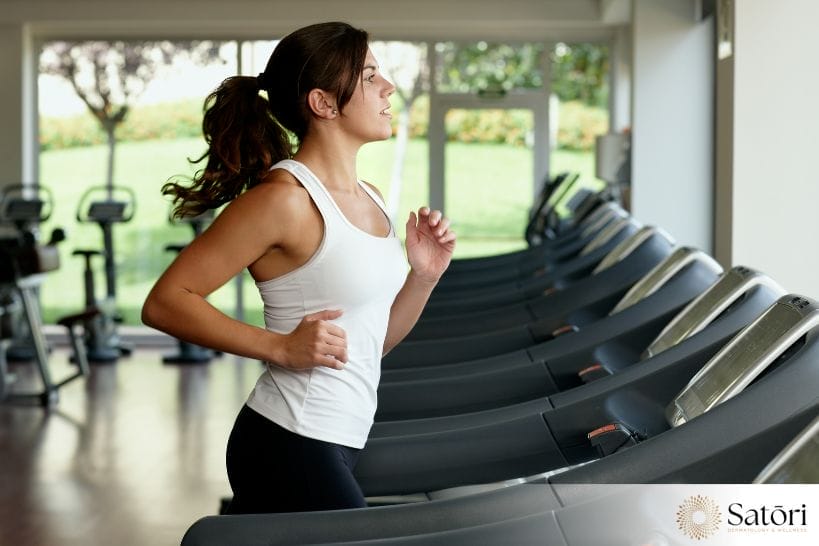
Cardio for Circulation and Overall Body Composition
Cardio exercise supports circulation, calorie burn, and overall body composition, all of which may help reduce the visibility of cellulite over time. While cardio alone will not eliminate dimpling, combining it with strength training can support smoother-looking skin and healthier tissue function.
Recommended Cardio Approaches
- LISS (Low-Intensity Steady State): Walking, cycling, or incline treadmill sessions for 30–45 minutes several times weekly may support circulation and fat loss.
- HIIT (High-Intensity Interval Training): Short bursts of higher-intensity exercise may help improve endurance and calorie burn when tolerated well.
Choose activities you genuinely enjoy to maintain consistency long term, such as:
- Walking
- Cycling
- Swimming
- Dancing
- Light jogging
For individuals struggling with localized fat areas that do not respond to exercise alone, treatments like CoolSculpting or non-surgical body sculpting may help improve body contours more effectively.
Improving Circulation and Lymphatic Flow for Smoother Skin
Poor circulation and fluid retention can sometimes make cellulite appear more noticeable, especially after long periods of sitting. Gentle daily movement may help support circulation and reduce temporary puffiness that affects skin texture.
Incorporate these daily micro-habits to manage fluid movement:
- Rebounding: Light trampoline exercise may help stimulate circulation and lymphatic movement.
- Leg Elevation or Yoga Poses: Positions like legs-up-the-wall can temporarily reduce lower-body fluid buildup.
- Movement Breaks: Standing, stretching, or walking briefly throughout the day may support healthier circulation.
While these habits may temporarily improve skin appearance, long-term cellulite management often benefits from a combination of exercise, healthy lifestyle habits, and, in some cases, professional treatments.
Supporting Skin and Tissue Health at Home
Even with regular exercise and a healthy weight, cellulite may still remain visible. Skin elasticity, hydration, circulation, and connective tissue all influence how smooth or textured the skin appears over time. At-home methods focus on tissue pliability and fluid management through consistent care:
Foam Rolling
Gentle rolling may temporarily improve circulation and muscle recovery.
Dry Brushing
Some individuals use dry brushing as part of their skincare and circulation routine.
Hydration and Nutrition
Staying hydrated and eating enough protein may support overall skin and tissue health.
Hormonal changes during periods such as postpartum recovery or perimenopause may also influence skin texture and cellulite visibility. While at-home habits can support maintenance, some individuals choose professional treatments to address stubborn contour or skin texture concerns more directly.
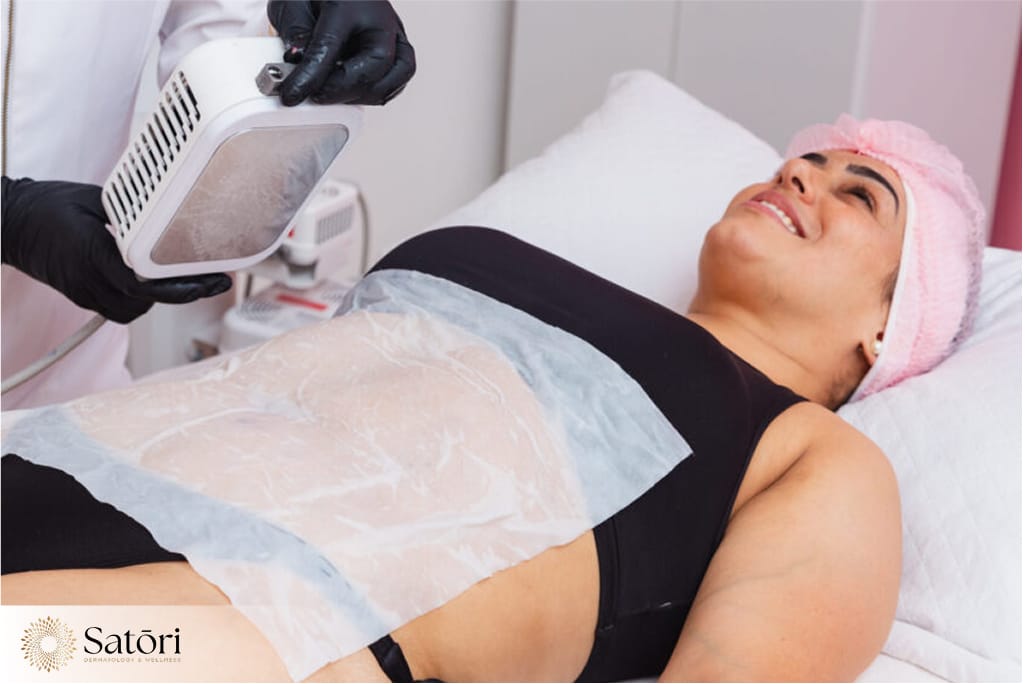
When to Transition from Lifestyle Habits to Clinical Treatments
For some individuals, cellulite remains visible despite consistent exercise and healthy lifestyle habits. While workouts can improve muscle tone and overall body composition, they may not fully address the deeper connective tissue and skin factors involved in cellulite formation.
When Professional Treatments May Help
- Focus on lifestyle first: Exercise, hydration, nutrition, and consistency can improve overall skin appearance and muscle tone.
- Consider treatments if cellulite persists: If dimpling remains noticeable despite healthy habits, professional treatments may help improve contour and skin smoothness.
At Satori Dermatology and Wellness, treatment options may include:
- Cellulite treatments for smoother-looking skin
- EmSculpt for muscle toning and body contouring
- CoolSculpting for targeted fat reduction
- Personalized body sculpting consultations
Frequently Asked Questions
How long does it take for exercise to reduce the appearance of cellulite?
Visible improvements may take several months of consistent exercise and healthy lifestyle habits. Many people notice better muscle tone within weeks, but cellulite reduction tends to happen gradually over time.
Can you have cellulite if you are thin or work out regularly?
Yes. Cellulite affects people of many body types and fitness levels. Even individuals who exercise regularly or have low body fat may still experience dimpling due to genetics, skin structure, and connective tissue.
What are the best exercises for cellulite on the thighs and butt?
Exercises that build the glutes and legs are often the most helpful. Squats, lunges, glute bridges, walking, and cycling may improve muscle tone and circulation, which can help smooth the appearance of the skin over time.
Does running make cellulite worse?
No. Running does not cause cellulite. However, cardio alone may not build enough muscle definition to noticeably improve skin texture. Combining cardio with strength training is usually more effective.
What is the fastest way to reduce cellulite: exercise or treatments?
Professional treatments may provide faster or more noticeable cellulite improvement than exercise alone, especially for deeper dimpling. However, exercise remains important for overall body composition, circulation, and long-term maintenance. Book Your Consultation at Satori Dermatology and Wellness
