
Stem cell treatment is gaining attention in Tennessee for its potential to help with joint pain, injury recovery, and other chronic conditions. Patients often explore regenerative therapy as a way to improve the quality of life without surgery.
But before moving forward, you need to understand how to evaluate stem cell clinics in TN. Not all clinics follow the same standards, and asking the right questions can help you make a safe, informed choice.
This guide walks you through key things to consider before choosing a clinic offering regenerative medicine. You’ll find questions that address safety, training, procedures, and patient care.
Understanding Stem Cells and Regenerative Medicine
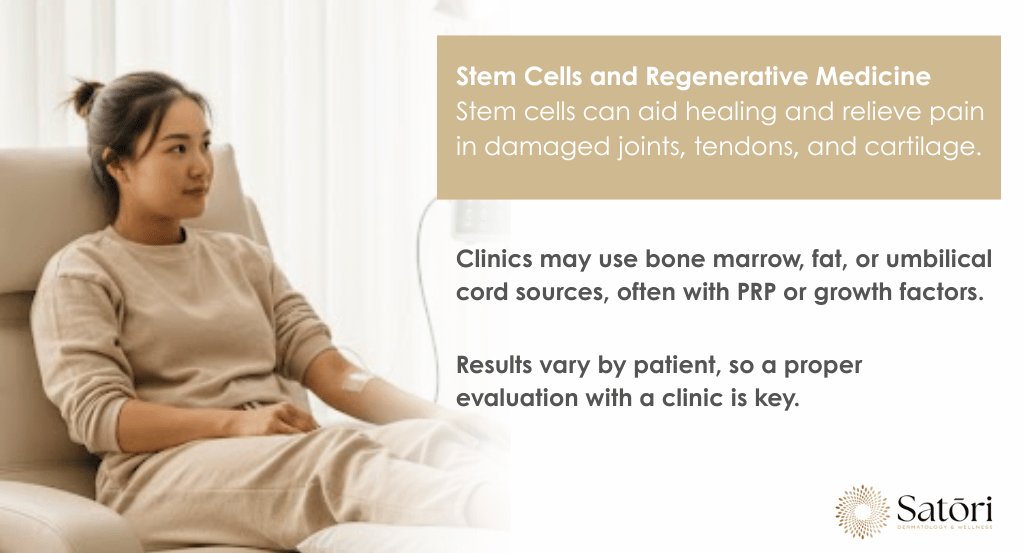
Stem cells are undifferentiated cells with the ability to develop into specialized cell types. In regenerative medicine, doctors use stem cells to support the body’s healing process. Stem cell procedures can target damaged tissue, often in joints, tendons, or cartilage. Patients turn to these procedures to find pain relief and avoid more invasive surgical options.
Some clinics may offer treatments using bone marrow, adipose (fat) tissue, or umbilical cord tissue. In each case, the source and method play a role in how the body responds. These procedures often include other elements like platelet-rich plasma (PRP) or growth factors to increase effectiveness.
While stem cell treatment holds promise, it isn’t a one-size-fits-all solution. Results vary from patient to patient, which is why it’s important to work with a clinic that can guide you through a proper evaluation.
Evaluating Tennessee Stem Cell Clinics
1. Ask About Licensing and Oversight
When evaluating a stem cell clinic in Tennessee, always start with legality and oversight. Clinics should follow both state and federal guidelines. This includes regulations by the U.S. Food and Drug Administration (FDA).
Ask the clinic:
- Are your procedures FDA-approved or regulated under the FDA’s guidelines?
- Is your medical staff licensed in Tennessee?
- Who oversees the treatment plans—are they physicians trained in regenerative medicine?
If a clinic avoids direct answers or cannot provide credentials, that’s a concern.
2. Evaluate the Experience and Training of the Medical Team
Stem cell therapy in Franklin, TN, requires training in more than standard medical care. Physicians and staff should have formal education in regenerative therapy techniques.
Ask the clinic:
- What kind of training does your team have in regenerative therapy?
- How long has your clinic offered stem cell treatment?
- How many procedures have you completed? What types?
Look for clinics led by board-certified physicians or orthopedic specialists familiar with both musculoskeletal issues and stem cell use.
3. Know the Source of the Stem Cells
Stem cells can be derived from several sources. The clinic should clearly explain where and how they obtain stem cells for treatment.
Common sources include bone marrow, adipose tissue, and perinatal tissues.
Each source has pros and cons. Autologous sources (from your own body) tend to carry fewer risks of rejection. Clinics should explain their choice and the expected outcomes honestly, without making exaggerated claims.
4. Learn What Conditions the Clinic Treats
Some Tennessee clinics target specific conditions using regenerative medicine. Others may serve general patient populations without clear guidelines.
The most common uses include:
- Joint pain (especially in the knee, hip, and shoulder)
- Tendon injuries
- Early-stage arthritis
- Back pain or spinal issues
Ask the clinic if your condition fits the use case for stem cell treatment. Be cautious of clinics that say they can treat every condition with the same protocol.
5. Understand the Treatment Process
To understand what to expect, ask the clinic to walk you through each step of the procedure. A qualified provider will begin with a physical exam, imaging, and a review of your medical history. They’ll recommend a treatment—such as stem cells, growth factors, or rich plasma—based on your condition. The clinic should explain how they collect, process, and inject the cells, as well as what follow-up care involves. You should also be told how long recovery may take and when to expect results. If a clinic avoids these details, take caution.
6. Review Safety Measures and Risks
No stem cell therapy is risk-free. A responsible clinic will explain side effects, complications, and what they do if something goes wrong.
Ask these questions:
- What are the risks of this procedure?
- Do you have emergency plans in place?
- Have there been any patient complications in the past?
Clinics should be transparent about infection risk, inflammation, or the need for follow-up care. They should not promise instant pain relief or guaranteed success.
7. Check for Clinical Evidence and Patient Outcomes
While many stem cell treatments are still being studied, clinics should use evidence-based practices. They should be able to show results based on patient outcomes or participation in clinical research.
Clinics may not publish large trials, but they should have data collection on past patient results, standardized methods for evaluating success, and involvement in ongoing regenerative medicine studies
You can also ask for testimonials or to speak with past patients—keeping in mind that privacy limits how much they can share.
8. Compare Costs and Financial Transparency
Most stem cell procedures are not covered by insurance. That makes cost an important consideration.
Ask the clinic:
- What is the total cost of treatment?
- What does the fee include?
- Are follow-up visits or additional injections extra?
Avoid places that make vague pricing claims or require upfront payments before a consultation. A professional clinic will outline all costs without pressure.

8 Direct Questions to Ask Before Choosing a Clinic
Here’s a summary of key questions to bring to any clinic offering regenerative therapy in Tennessee:
- Are your procedures FDA-compliant?
- What medical training does your staff have in regenerative medicine?
- Where do your stem cells come from?
- What conditions do you commonly treat?
- Can you describe your treatment protocol from start to finish?
- What risks should I know about?
- Do you track patient outcomes or take part in research?
- What will this cost, and what are the payment terms?
Taking this list with you can help create a clear, informative dialogue with the clinic.
Make an Informed Decision
Evaluating stem cell clinics in TN requires time and care. The decision to pursue regenerative therapy should be based on medical advice, not flashy marketing claims. Always choose a clinic that focuses on patient safety, clear communication, and evidence-based practices.
While stem cell treatment offers potential benefits like pain relief and improved quality of life, results vary. A responsible clinic will help you understand both the promise and the limitations.
Start by asking the right questions. That one step can lead to safer care, better outcomes, and greater confidence in your healthcare choices.

Talk to a Regenerative Medicine Provider You Can Trust
If you’re considering stem cell treatment and want guidance from a qualified team, Satori is here to help. Our dermatology and wellness practice follows evidence-based practices in regenerative medicine and focuses on safety, clarity, and long-term care. We explain every step, from evaluation through follow-up, so you can make an informed decision.
To learn whether regenerative therapy is right for you, schedule a consultation with Satori today. We’ll take the time to understand your condition, answer your questions, and outline your options—without pressure.
Reach out to get started.