
Hip dips are a natural inward curve between the hips and thighs caused primarily by skeletal anatomy and fat distribution. While you cannot change your bone structure, you can reduce the appearance of hip dips through glute-focused strength training, strategic styling, or physician-led body contouring treatments. At Satori Dermatology & Wellness, we help patients explore realistic, non-surgical options based on their anatomy, aesthetic goals, and timeline.
Before starting any hip dip treatment plan, establish a realistic baseline. Take front and side photos in consistent lighting so you can track gradual contour changes over time. If you experience hip pain, numbness, weakness, or reduced mobility, schedule a medical evaluation before beginning exercise or aesthetic treatments.
Ready to explore non-surgical body contouring options? Schedule a consultation with Satori Dermatology & Wellness to discuss a personalized treatment plan.

What Causes Hip Dips?
Hip dips are the natural inward curves between the hips and upper thighs. Their appearance is largely determined by skeletal anatomy, including pelvic structure and the position of the femur within the hip joint. Muscle shape, glute development, and natural fat distribution also influence how visible hip dips appear from person to person.
Because hip dips are connected to bone structure, spot-reducing fat in this area is not possible. For most patients, the goal is improving overall contour and balance rather than completely eliminating the indentation. Depending on your goals, that may involve targeted glute training, body composition improvements, or non-surgical body sculpting treatments.
Set Realistic Goals Before Treating Hip Dips
Before focusing on aesthetics, rule out underlying orthopedic or muscular conditions. Hip dips themselves do not cause pain, so symptoms like numbness, weakness, limited mobility, or persistent discomfort should be evaluated separately by a medical professional, especially after an injury.
Choose Your Primary Goal
- Appearance-focused: Improve hip contour and silhouette in fitted clothing or swimwear.
- Strength-focused: Build glute muscle shape and improve lower-body stability over time.
- Treatment-focused: Explore non-surgical body contouring options like EmSculpt or CoolSculpting.
Take consistent front and side photos before beginning any exercise or treatment plan. Document recent weight fluctuations and note whether one hip appears deeper than the other. If your concerns are cosmetic rather than medical, you can safely focus on strength training, styling strategies, or aesthetic treatments.
Styling Tips That Reduce the Appearance of Hip Dips
Clothing choices can visually soften the appearance of hip dips by creating smoother lines along the waist and thighs. While styling will not change your anatomy, it can improve overall silhouette balance and confidence in everyday clothing.
Choose high-waisted bottoms
High-rise silhouettes create a smoother transition from the waist to the hips.
Wear structured fabrics
Thick denim, ponte knit, and tailored materials are less likely to cling to hip indentations.
Try flared silhouettes
A-line skirts and wide-leg pants skim over the hip area instead of emphasizing it.
Use seamless shapewear carefully
Hip pads and smoothing garments can reduce visible contour differences under clothing.
Improve posture and stance
Neutral pelvic positioning may reduce shadows that make hip dips more noticeable.
For more noticeable contour changes, combine styling strategies with glute-focused strength training or physician-guided body sculpting treatments.
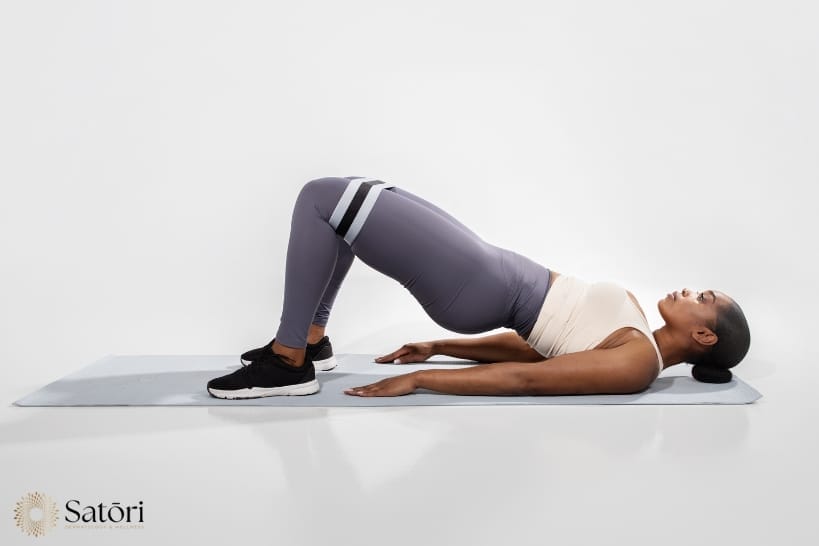
Exercises That Can Reduce the Appearance of Hip Dips
Although bone structure cannot be changed, building muscle around the upper glutes and outer hips can soften the appearance of hip dips over time. The most effective exercise programs focus on strengthening and shaping the surrounding musculature rather than trying to “eliminate” the dip itself.
- Hip extension patterns: Glute bridges and hip thrust variations.
- Hip abduction and stability: Clamshells, side-lying raises, or lateral band walks.
- Compound patterns: Step-ups, squats, and lunges.
Aim for two to three lower-body sessions per week with progressive resistance and adequate recovery between workouts. Unilateral movements can also help address natural strength imbalances between the left and right sides.
Normal muscle soreness is expected with strength training, but sharp hip pain, joint catching, or reduced mobility should not be ignored. Stop exercising and seek medical evaluation if symptoms worsen during activity.
How Weight and Body Composition Affect Hip Dips
Rapid weight loss may make hip dips more visible because reduced body fat can expose the natural pelvic contour more prominently. Results vary significantly between individuals since fat distribution patterns are heavily influenced by genetics.
Changing your weight alone is not a predictable solution for hip dips. Some people notice increased fullness with weight gain, while others primarily gain fat in the abdomen or thighs. Overall contour changes depend on genetics, muscle mass, and body composition.
Habits That Support Better Body Contour Results
- Eat enough protein to support muscle development and recovery.
- Prioritize hydration and consistent sleep habits.
- Address cellulite and skin texture concerns separately from skeletal hip dips.
If you want more noticeable contour improvement, a professional consultation can help determine whether non-surgical body sculpting treatments are appropriate for your goals.

Professional Treatments for Hip Dips
Professional body contouring treatments begin with a physician-led evaluation of your anatomy, skin quality, fat distribution, and muscle structure.
Depending on your goals, treatment may focus on reducing fat around the flanks, improving glute muscle tone, or enhancing overall contour balance. Avoid unverified DIY treatments or injectable solutions that may carry unnecessary safety risks.
At Satori Dermatology & Wellness, treatment plans may include technologies like CoolSculpting for non-surgical fat reduction around the flanks and EmSculpt for strengthening and toning the glute muscles. Some patients may also benefit from a non-surgical butt lift approach to improve overall lower-body balance and silhouette definition.
During your consultation, we evaluate your anatomy and discuss realistic expectations based on your goals. Many body contouring treatment plans involve multiple sessions spaced over several weeks, with gradual improvement developing over time.
How to Choose the Right Hip Dip Treatment Approach
Avoid Deceptive Marketing Promises
Be cautious of providers claiming they can completely eliminate hip dips in a matter of days. Because hip dips are largely influenced by skeletal anatomy, realistic treatment plans focus on improving contour and balance rather than permanently changing bone structure.
Identify the Anatomical Root Cause
The appearance of hip dips may be influenced by bone structure, muscle volume, fat distribution, or skin laxity. A proper consultation helps identify which factors are contributing most to your contour so treatment recommendations are tailored appropriately.
Demand Objective Progress Benchmarks
Ask providers about expected timelines, maintenance requirements, risks, and realistic outcomes before beginning treatment. Professional body contouring plans should include measurable progress tracking and medically appropriate expectations.
Frequently Asked Questions About Hip Dips
Can hip dips be fixed permanently?
Hip dips are primarily a result of skeletal structure, so they cannot be permanently removed through exercise or diet. The indentation comes from the natural gap between your pelvis and femur.
You cannot change bone structure, but you can minimize the appearance of dips through targeted gluteal muscle development, body composition changes, or professional aesthetic treatments that address fat distribution.
How long do hip dip exercises take to work?
With targeted strength training, expect visible results in weeks to months, not days. Muscle hypertrophy is a gradual biological process that requires consistency and progressive challenge.
Track progress with consistent photos every four weeks, since changes in the lateral hip area are often subtle in the early phases of training.
How do I get rid of hip dips without exercise?
Strategic wardrobe choices and styling can effectively camouflage hip dips. Choose structured fabrics like heavy denim and high-waisted silhouettes that sit above the iliac crest to create a continuous line.
Seamless shapewear or specialized hip pads provide instant smoothing without physical activity or clinical intervention.
Is it normal if one hip dip is deeper than the other?
Mild asymmetry is very common and usually reflects natural variations in bone structure or muscle attachment points.
If you notice a sudden change in symmetry, or if the asymmetry comes with pain, weakness, or limited mobility, seek a medical evaluation to rule out underlying orthopedic or muscular issues.
Should I try a DIY approach or see a professional?
A DIY approach works well if your goal is gradual change through strength training or visual camouflage. If you want direct aesthetic results or prefer to separate functional concerns from cosmetic goals, a professional consultation is the smarter choice.
Satori Dermatology & Wellness offers physician-led body sculpting plans for those exploring clinical options like EmSculpt or CoolSculpting.
Hip dips are a normal part of human anatomy and vary naturally from person to person. Whether your goal is subtle improvement through exercise and styling or a more noticeable change with body contouring, the best approach depends on your anatomy, expectations, and long-term goals.
